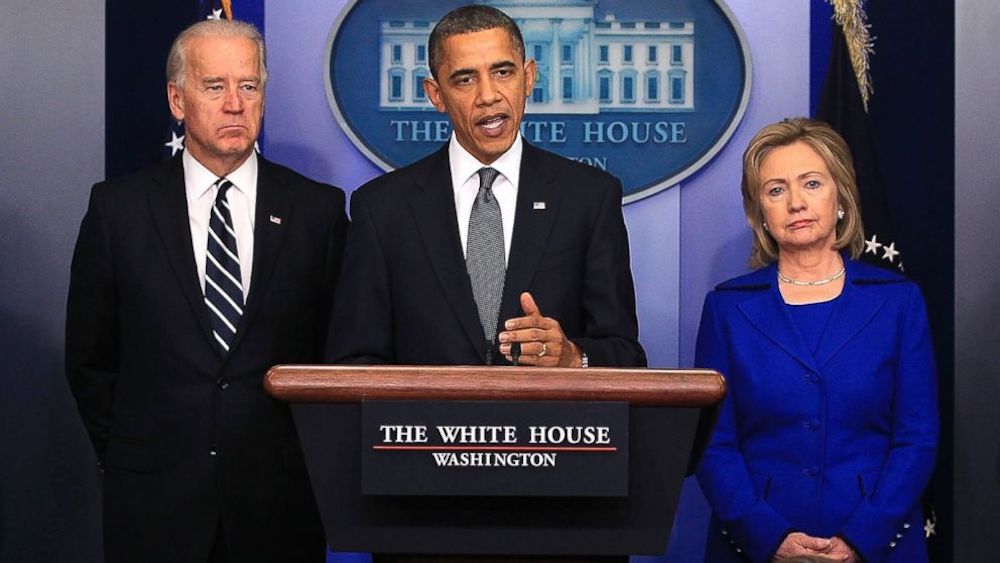
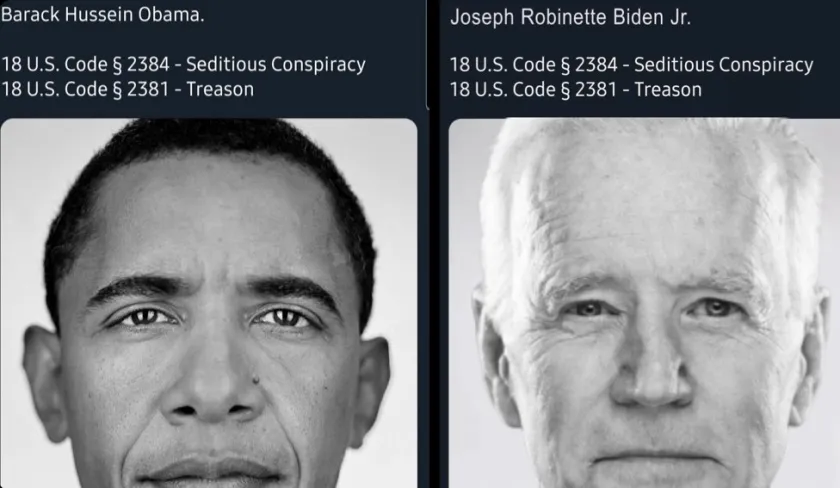
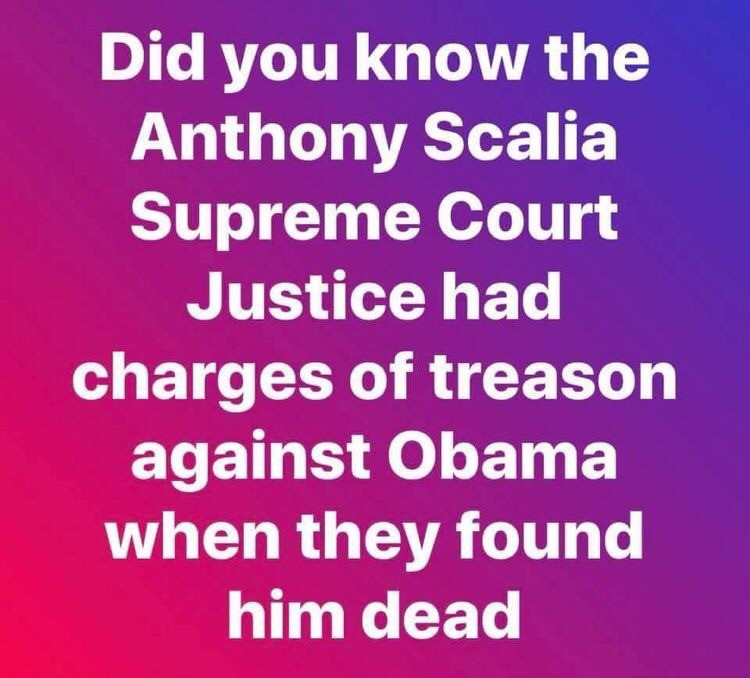
Treason Laws, Charges & Punishment + Statute of LimitationsOf all the types of crimes that someone might commit, there’s only one that literally written in the very fabric of the Constitution. That crime is treason. Treason has a highly specific meaning. This crime is defined as someone who intentionally betrays the allegiance owed the United States by engaging in acts of war against the country. A person may also be accused of treason if they choose to assist those defined as the country’s enemies. The victim of the crime is the United States government. This is the single most serious federal crime. A person who is convicted of treason can expect either a lengthy prison sentence or even the death penalty. A person can be charged with federal treason. States also have constitutions. In very rare cases, someone may be charged with violating state treason laws. Most people who are charged with treason are charged with federal treason as the crime is considered one that threatens the entire country.Two WaysIn general, there are two ways that someone might commit treason. The first is levying war. It’s not enough to state that the person has the intention of committing war against the United States. They need to have what is known as forcible opposition. That term indicates the person worked with others with the overall goal of preventing specific laws from being carried out. A group of people are considered to have deliberately acted against the government.The second way that someone might be charged with treason is by what is known as providing both aid and comfort to an enemy of the country. For example, if another person is planning to carry out acts against the government, another person can be charged with treason if they help them fiscally or otherwise. Government officials take the view that acting to weaken the country’s defenses such as harboring a soldier who intends to harm American government officials is a form of treason.Proving TreasonIn order to make a charge of treason stick, the prosecution has certain requirements. There must be a confession by the accused or have two witnesses who can attest to the actions of the defendant. The defendant’s actions must be what are known as overt actions. An overt action has a specific meaning. It is defined in two parts. In the first place, the defendant must have criminal intent when they committed that act. In the second, the defendant must have the ability to commit a crime. All defendants should be aware that the action in question need not be a crime in itself. For example, it is not illegal to make posts or to buy guns and ammunition. It is, however, illegal, to do these things with the overall intention of committing treason against the government of the United States.The government must also show where they took place. People can commit treason independently by doing different actions in different places. If multiple acts of treason have been committed, government officials need only prove one of them took place. The government needs two witnesses to specifically testify as to the desire to commit treason. The two are needed to prove there was an overt act. However, the part of the law that deals with intent to commit treason can be shown just like any other crime. Even if treason is not proven, the government can use these examples to prosecute someone for other types of crimes such as espionage, conspiracy to levy war, seditious conspiracy, and terrorism. All of these types of crimes are considered very serious offenses that can lead to extremely severe penalties such as fines and prison time.Punishment for treason can range from five years in prison to imprisonment for life or even, very rarely, the possible death penalty during the sentencing phase. Treason is a relatively rare charge but it is still used by government officials on occasion. Some crimes have what is known as a statue of limitations. This means someone can no longer be prosecuted for certain crimes after a certain period of time. This is not true of treason. *****No Statute of Limitation for TREASON*****[A PERSON CAN BE CHARGED WITH TREASON AT ANY POINT IN TIME.]*****No Statute of Limitation for TREASON***** Treason is the only crime that is specifically written into the US Constitution. It is defined as intentionally betraying one’s allegiance to their country by levying war against the US government, and/or giving aid and comfort to its enemies. This is the most serious criminal offense one can commit against the government. Punishment is imprisonment or death.Article III, Section 3 of the Constitution states:‘Treason against the United States, shall consist only in levying War against them, or in adhering to their Enemies, giving them Aid and Comfort. No Person shall be convicted of Treason unless on the Testimony of two Witnesses to the same overt Act, or on Confession in open Court.’The Constitution authorizes the US Congress to set penalties for this crime, but it may not change the definition or create varying degrees of treason. The federal treason statute is 18 USC 2381 and it is similar to the language in the Constitution. It features a five year prison term and $10,000 fine.Treason LawsThe Constitution outlines the definition of treason, as stated above, and most state constitutions also have a treason provision that is similar. State treason prosecutions are very rare; in fact, only three people are known to have been charged with treason at the state level. This is probably due to the fact that treason threatens the entire country, not just one state.Treason Crimes & ChargesThere are two primary ways to commit treason:Levying war: This is not to say that simply one must declare war to commit treason. It also includes forcible opposition to the carrying out of public laws. ‘Forcible opposition’ usually requires the true use of force by more than one person with a common person of preventing a law from being enforced.Providing aid and comfort: This can include offering financial assistance to harboring a soldier who is an enemy of the country. Any act that encourages the hostile designs of the enemy or weakens the US is providing aid and comfort.To prove treason, the prosecution has to have either a confession or two witnesses who testify to the same overt act by the defendant. An overt act is defined as one that shows criminal intent and provides the ability to accomplish a crime. The overt act does not have to actually be a crime itself. Many types of actions can be overt treasonous acts. Some of these include making online posts and also providing weapons and ammunition. The main thing to remember is whether the person took the action with the intent to carry out treason.A charge of treason has to specify relevant overt acts, which is to include where they took place. It is not needed that all participants commit the same act. Different people can commit different overt acts as part of a single plan of treason. If the government has alleged several overt acts, it only has to prove one of them with two witnesses.The testimony from two witnesses must prove the overt act, but the intent to betray can be shown just like with any other crime.Treason is related to other federal crimes, and more than one criminal statute may apply to the same conduct. So, something that is not proven as treason can constitute another type of offense:Espionage: This is the obtaining of classified information that is related to national defense for use by a person from another country. If you help a US ally, the charge would not be treason but espionage.Terrorism: One of the major differences between terrorism and treason is that terrorism statutes can apply to any foreign national and do not require that the US be involved in a war.Seditious conspiracy: This consists of trying to overthrow or destroy the government by force. This does not require that the defendant owe allegiance to the US.Conspiracy to levy war: This is a precursor to treason but does not require that people must be assembled and ready to use force.Treason PunishmentTreason is punishable by death. If a death sentence is not imposed, the defendant can be sent to prison for five years and be given a $10,000 fine. No one who has been convicted of treason may ever hold a federal office.Treason Sentencing GuidelinesTreason is the only crime that is mentioned in the US Constitution, and the maximum penalty is death. However the Constitution also states that someone convicted of this crime can receive five years in prison.Treason CasesWhile few people have been convicted of treason in US history, there have been a few cases in the last century:Walter Allen: Convicted in 1922 for his part in the 1921 miners’ war with coal companies and the US Army in West Virginia. He received a 10 year sentence and was fined. (WV Culture)Robert H. Best: An American foreign correspondent who covered European events in the 1930s. He later became a Nazi supporter and broadcasted Nazi propaganda during the war. He was sentenced to life in prison. (Journalism & Mass Communication Quarterly)Mildred E. Gillars: Known as Axis Sally during World War II, she was an American broadcaster who worked for the Third Reich in Nazi Germany. She was sentenced to 10-30 years in prison. (net)
In Album: VeritatemCognoscere's Timeline Photos
Dimension:
416 x 342
File Size:
25.41 Kb

Like

Love

HaHa

Yay

Wow

Hate
1 person likes this.
Like
Love
HaHa
Yay
Wow
Hate
, VeritatemCognoscere reacted this

VeritatemCognoscere
Like
Love
HaHa
Yay
Wow
Hate
VeritatemCognoscere
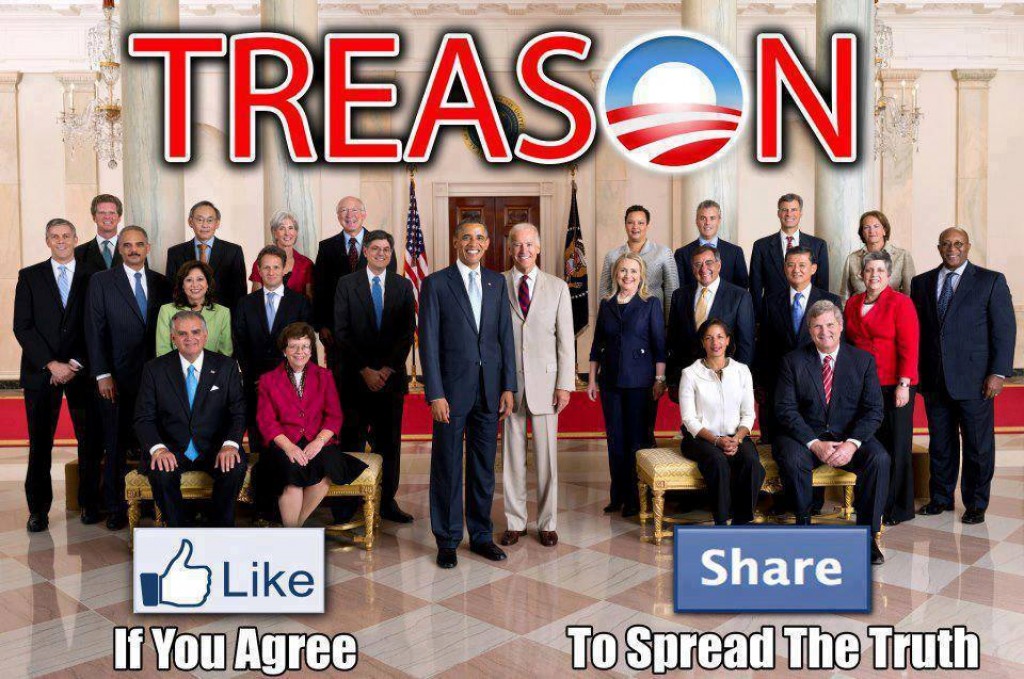
*****No Statute of Limitation for TREASON*****[A PERSON CAN BE CHARGED WITH TREASON AT ANY POINT IN TIME.]*****No Statute of Limitation for TREASON*****
Like
Love
HaHa
Yay
Wow
Hate
VeritatemCognoscere
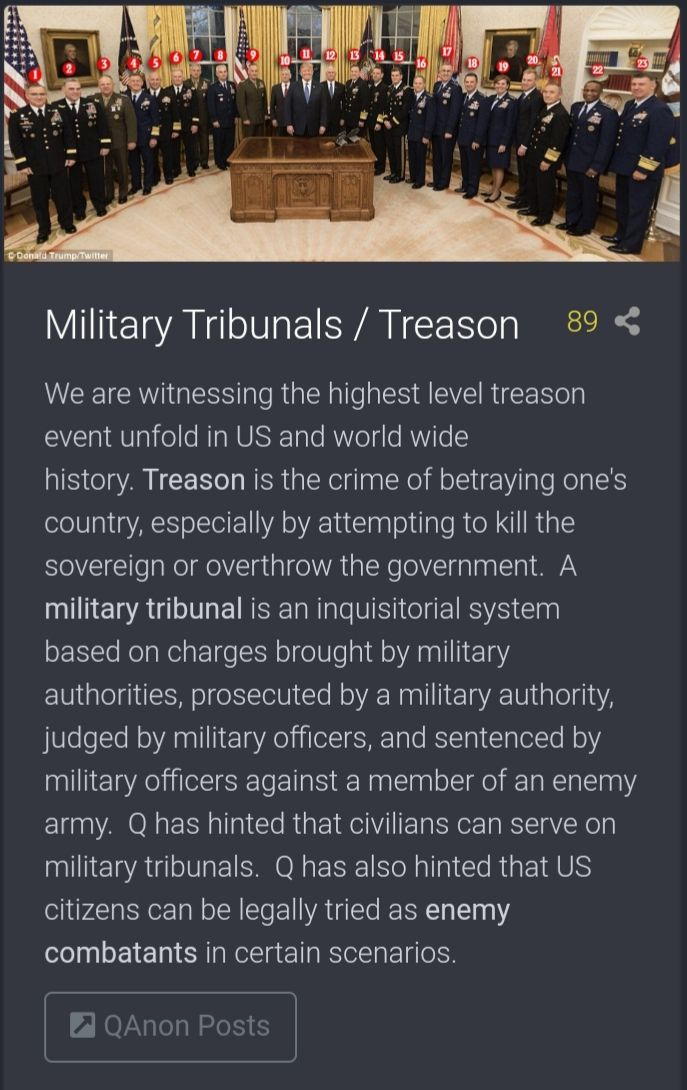
Military Tribunal is the only way forward. Department Of Justice is corrupt, FBI, CIA, NSA etc.. etc.. etc..
Like
Love
HaHa
Yay
Wow
Hate
VeritatemCognoscere

Like
Love
HaHa
Yay
Wow
Hate
VeritatemCognoscere

Like
Love
HaHa
Yay
Wow
Hate
VeritatemCognoscere
Like
Love
HaHa
Yay
Wow
Hate
VeritatemCognoscere
Like
Love
HaHa
Yay
Wow
Hate
VeritatemCognoscere
*****No Statute of Limitation for TREASON*****[A PERSON CAN BE CHARGED WITH TREASON AT ANY POINT IN TIME.]*****No Statute of Limitation for TREASON*****
Like
Love
HaHa
Yay
Wow
Hate
VeritatemCognoscere

Like
Love
HaHa
Yay
Wow
Hate
VeritatemCognoscere

Like
Love
HaHa
Yay
Wow
Hate